Is kaempferol the same as quercetin?
2024-11-29 09:41:47
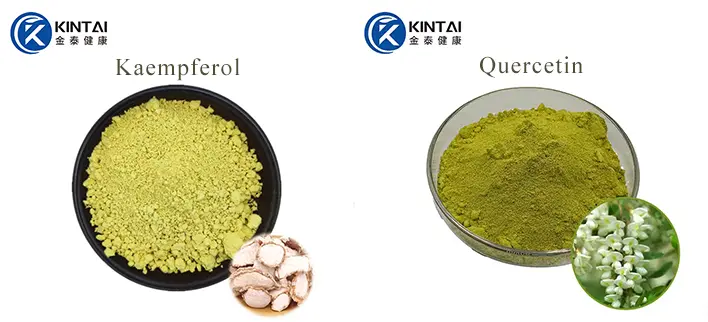
Kaempferol vs Quercetin
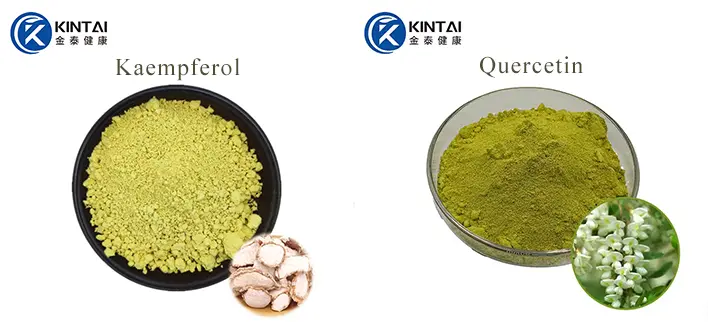
Kaempferol is a naturally occurring flavonoid compound widely found in everyday fruits, vegetables, and plants, such as broccoli, apples, grapes, and tea. It is renowned for its exceptional antioxidant capabilities, effectively neutralizing free radicals in the skin, thus contributing to anti-aging and brightening the complexion. Kaempferol also possesses significant anti-inflammatory properties, soothing skin sensitivity and redness, and exhibiting potential for antibacterial and wound-healing effects. Therefore, it is frequently used in functional skincare products, aiming to promote healthy and youthful skin.
Quercetin, also a widely distributed natural flavonoid and a close relative of kaempferol, is abundant in onions, apples, citrus fruits, and buckwheat. It is considered one of the most powerful antioxidants in nature, with a remarkable ability to scavenge free radicals. In addition to its potent antioxidant and anti-inflammatory properties, quercetin is notably characterized by its strong antihistamine properties, stabilizing cell membranes and inhibiting the release of allergy mediators. Therefore, it is particularly beneficial for soothing skin problems such as itching and eczema caused by allergies, and is often used in skincare formulas targeting sensitive skin and allergies.
Although they share many similarities, they each have their own unique characteristics.
Difference on Antioxidant Mechanisms
While both kaempferol and quercetin are celebrated for their potent antioxidant properties, a deeper dive into their mechanisms reveals a fascinating dichotomy in their approach to combating oxidative stress. Quercetin, often hailed as the "King of Natural Antioxidants," possesses a unique molecular architecture that grants it an exceptional, broad-spectrum efficacy in neutralizing a vast array of free radicals. Imagine it as a highly skilled frontline defender. Its strength lies in its direct and potent scavenging power, making it particularly formidable against acute and severe oxidative assaults originating from environmental aggressors like heavy pollution, intense UV radiation, and other external stressors. It excels in directly quenching these reactive molecules, thereby preventing immediate cellular damage.
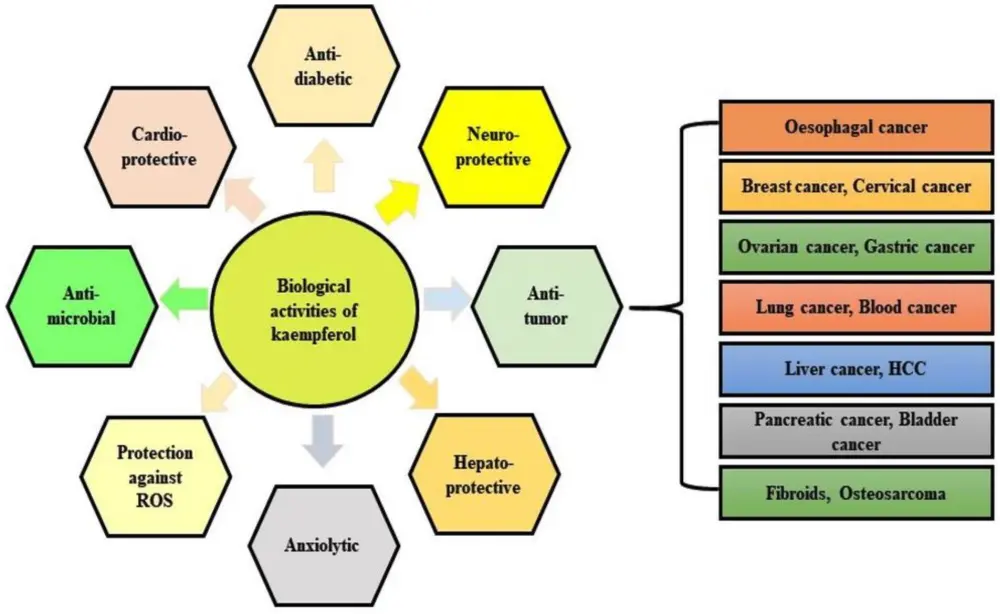
In contrast, kaempferol's strategy is more nuanced and long-term, akin to a master strategist strengthening the body's inherent defenses. Although it certainly has the ability to directly eliminate free radicals, its distinctive strength is its superior capacity to activate the body's own endogenous antioxidant defense pathways, most notably the Nrf2 (Nuclear factor erythroid 2-related factor 2) pathway. By activating this crucial cellular signaling route, kaempferol effectively upregulates the production of a host of protective enzymes, such as glutathione S-transferases and NAD(P)H quinone dehydrogenase. This process doesn't just tackle existing free radicals; it empowers the cells themselves to become more resilient, enhancing their long-term antioxidant capacity from within. Thus, kaempferol employs a sophisticated, dual-pronged strategy that masterfully blends "direct scavenging" with the "indirect mobilization" of the body's native defense systems, offering a sustained approach to cellular protection.
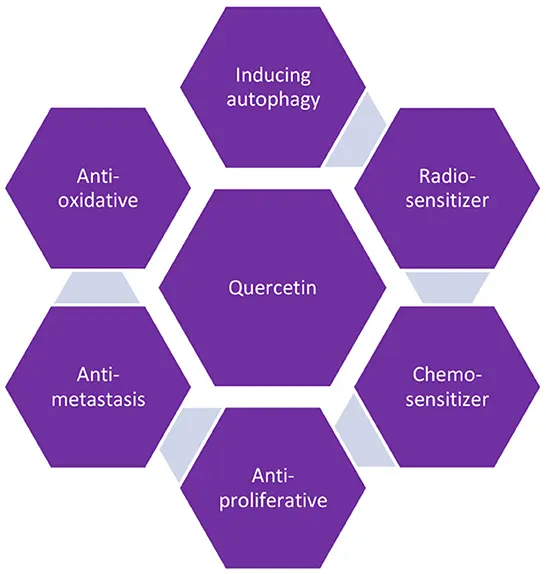
Unique Pathways of Action on Skin Cells
Kaempferol's Repair Properties: Numerous studies have clearly demonstrated that kaempferol exhibits unique advantages in directly promoting skin tissue regeneration. Its core mechanism lies in its ability to effectively accelerate the migration and proliferation of keratinocytes, the foundation of skin epithelialization—the most crucial step in wound healing. Furthermore, it can create a favorable microenvironment for collagen synthesis and remodeling by regulating related growth factors. This means that kaempferol can play a positive role in both physical damage (such as abrasions and postoperative incisions) and skin barrier damage caused by inflammation (such as acne) or excessive cleansing, actively helping to rebuild healthy skin structure and function, fundamentally maintaining skin health and integrity.
Quercetin's Protective Properties: In contrast, research on quercetin focuses more on its extreme antioxidant and anti-inflammatory capabilities. Its role is more like a powerful "protective shield." By efficiently neutralizing free radicals and inhibiting inflammatory factors, it can minimize the continuous damage to skin cells from external factors (such as ultraviolet radiation and pollution), creating a stable and favorable environment for cellular self-repair. This is a "destruction-to-reconstruction" strategy within the broader concept of "destruction before reconstruction." While this powerful protective effect indirectly lays the foundation for repair and theoretically may influence the repair process, empirical studies on quercetin's direct action on key wound-healing cells (such as fibroblasts and keratinocytes) and its significant acceleration of the repair process are far less comprehensive and clear than those on kaempferol, both in depth and in terms of specificity.

Therefore, it can be summarized as follows: in the "battle" of skin repair, kaempferol is the "engineer" directly involved on the front lines, actively participating in the reconstruction work; while quercetin is the "guardian" responsible for perimeter defense, protecting repair by eliminating threats. Together, they achieve comprehensive care from defense to reconstruction.
Kaempferol and Quercetin on cardiovascular disease
Cardiovascular disease (CVD) remains the leading cause of death worldwide. Multiple epidemiological studies have shown that adequate intake of fruits and vegetables helps reduce the risk of CVD and death. Among the bioactive components in fruits and vegetables that have cardiovascular protective effects, flavonoids are considered to play a crucial role—these plant secondary metabolites are widely found in plant-based foods. Quercetin and kaempferol are two representative flavonol compounds among the most prevalent types of flavonoids.
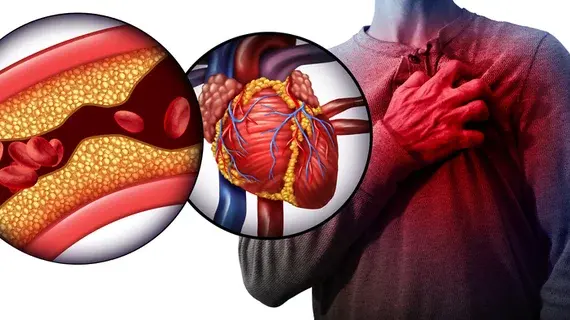
In vitro experiments have shown that quercetin and kaempferol possess significant antioxidant and anti-inflammatory properties; animal studies have also confirmed their cardioprotective effects and ability to effectively lower blood pressure. However, it is important to note that flavonols in plants are usually present in glycosidic forms, and their bioavailability differs significantly from that of the free form. Currently, research evidence regarding the actual impact of dietary intake of flavonol-rich foods on human cardiovascular health remains relatively limited.
(Reference:https://pmc.ncbi.nlm.nih.gov/articles/PMC6835347/)
Why Choose KINTAI Kaempferol& Quercetin Powder?
Kintai Healthtech Inc. is a leading Kaempferol and Quercetin manufacturer and supplier in the plant extraction industry, distinguished by our competitive advantages, which include a mature R&D team, a GMP-compliant factory, a large inventory, and complete certifications. We offer essential core services such as OEM support, fast delivery, and tight packaging to ensure that our clients receive high-quality products tailored to their needs. Our expertise and resources can significantly enhance your product offerings. For more details, please feel free to contact us at health@kintaibio.com.